.png)

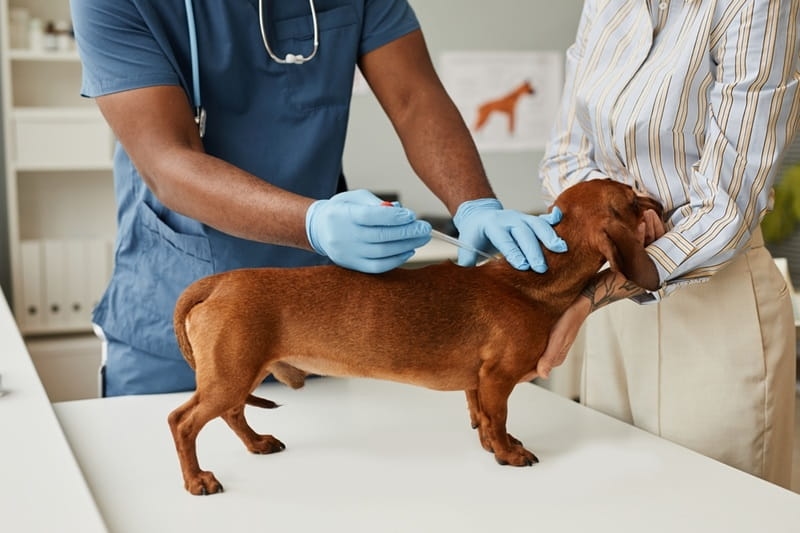
Anemia in dogs is one of those conditions that sounds simple but rarely is. Most people think of anemia as low blood, but in dogs it usually points to a deeper problem. When a dog becomes anemic, the blood cannot carry enough oxygen. That shortage affects everything from energy levels to organ function.
Some dogs show signs quickly. Others seem fine until the condition has progressed. That is why anemia is taken seriously by veterinarians. It is not treated as a standalone issue. It is treated as a clue.
This article explains what causes anemia in dogs, how it shows up in daily behavior, what treatment for anemia in dogs actually involves, and what owners can and cannot do at home.
Anemia in dogs occurs when red blood cells are too low or when hemoglobin levels drop. Hemoglobin is the part of the red blood cell that carries oxygen. Without enough oxygen, tissues struggle to function normally.
Think of it like this. Even if the heart and lungs are working properly, oxygen still has to reach muscles and organs. Red blood cells handle that job. When they are missing or damaged, the body compensates by increasing heart rate and breathing. That compensation only works for so long.
Some dogs develop anemia slowly. Others lose red blood cells rapidly. The speed of loss often determines how sick the dog appears.
When people ask what causes anemia in dogs, the answer is rarely just one thing. Most cases fall into a few main categories.
Blood loss is a very common cause. Sometimes it is obvious, such as bleeding from a wound or after surgery. Other times it is hidden. Internal bleeding from stomach ulcers, intestinal disease, or tumors can go unnoticed for weeks.
Parasites also matter. Fleas, ticks, and hookworms feed on blood. A heavy parasite load does not always look dramatic, but steady blood loss over time can lead to anemia, especially in puppies and senior dogs.
In some dogs, red blood cells are destroyed faster than the body can replace them. This can happen with immune related conditions where the body attacks its own cells. Certain infections and toxins can damage red blood cells directly.
This form of anemia often develops quickly and can become dangerous without prompt treatment.
Sometimes the issue is not loss or destruction. It is production. When the bone marrow does not make enough red blood cells, anemia develops gradually. Chronic kidney disease is a common contributor. Long term inflammation, cancer, bone marrow disorders, and some medications can also interfere with production.
Nutritional causes are less common in dogs eating complete diets, but they still occur. Dogs on unbalanced homemade diets may lack essential nutrients. Toxic substances such as onions, garlic, zinc, and rodenticides can also lead to anemia.
In many cases, more than one factor is involved. That is why identifying what causes anemia in dogs requires proper testing.
Also check: Risks, Symptoms, and Prevention of Heartworm Disease in Pets
Symptoms of anemia in dogs are not always dramatic at first. Many owners notice small changes before obvious illness.
Common symptoms of anemia in dogs include:
As the condition worsens, signs of anemia in dogs become harder to miss.
More serious signs of anemia in dogs include:
These signs should never be ignored. They indicate the body is no longer compensating well.
Diagnosis starts with a physical exam and blood testing. A complete blood count confirms whether anemia is present and shows how severe it is. From there, additional tests help determine what causes anemia in dogs.
These tests may include parasite screening, urine tests, imaging, or bone marrow evaluation. Skipping this step leads to guessing, and guessing leads to the wrong treatment for anemia in dogs.
Treatment for anemia in dogs depends on two things. How severe the anemia is and what caused it.
Common treatment options include:
Some dogs respond quickly once treatment starts. Others need ongoing monitoring and repeated blood tests. Treatment for anemia in dogs often changes as the dog improves or if new information comes to light.
Explore More: What is Dog Regurgitation, Its Signs & Treatment Approaches?
Owners often ask how to treat anemia in dogs at home. The honest answer is that anemia cannot be fixed at home without veterinary care. Home care supports recovery but does not replace diagnosis or treatment.
Helpful home care includes:
Iron supplements, vitamins, and home remedies should never be given without veterinary guidance. In some types of anemia, they can make the condition worse.
When people search how to treat anemia in dogs at home, they should think of support, not cure.
Not all anemia can be prevented, but risk can be reduced.
Prevention includes:
Early detection often changes outcomes, especially with chronic disease.
Explore More: Best Dog Itch Treatment: Prevent Hot Spots & Allergies
Anemia in dogs often develops quietly. Dogs adapt until they cannot. By the time severe signs of anemia in dogs appear, the condition may already be advanced.
Recognizing early symptoms of anemia in dogs and understanding what causes anemia in dogs leads to faster care. Treatment for anemia in dogs works best when it starts early and is guided by proper testing.
Mild anemia in dogs may improve if the underlying issue is temporary, but it should always be evaluated. Anemia is usually a sign of another problem.
Treatment for anemia in dogs can take days or several weeks. Chronic conditions may require long term management and follow up testing.
How to treat anemia in dogs at home is limited to supportive care. Medical diagnosis and treatment are always necessary.
This content was created by AI