.png)

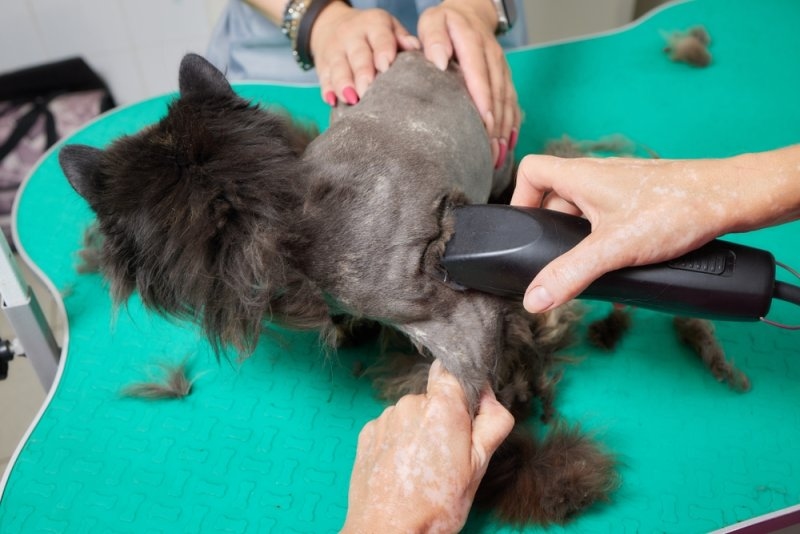
Grooming is not just about keeping your dog or cat clean and looking their best. With the right grooming service on a regular schedule, you will be able to brush out loose hair and dirt, identify mats, and begin to notice changes in the health of your pet's skin, coat, ears, paws, and nails. Pet grooming provides several benefits for you and your pet.
Each animal has its specific needs for brushing. For example, in general, a short-haired dog does not need to be brushed as much as a long-haired dog, but also a cat with hairless or long hair must be brushed frequently so as not to prevent the hair from forming balls.
How often should you groom your pet?
There's no one-size-fits-all rule here. Some pets require weekly or even daily brushing while others need baths less frequently. Use your judgment and watch your pet's coat and nails to see what works best, rather than setting a grooming schedule.
Proper Pet Grooming Begins With Comfort. To be able to create a good groom, your pet must be comfortable being handled. Before you ever work with a brush, clippers, or nail trimmers, touch your pet's ears, paws, face, and body. Then reward your pet when he is calm.
The right pet grooming tools depend on your pet's coat. A slicker brush can be effective for both long and curly coats, but a soft bristle brush can be fine for many short-haired pets. If you use the wrong brush, you may pull hairs or cause skin irritation.
Brushing prior to bathing can help free loose hair and small mats. Water can tighten mats, and it may then take extra effort and cause your dog discomfort to remove them. When you're learning how to brush your dog's coat, be sure to be gentle. Behind the ears, around the legs, and under the collar are the areas to be especially diligent.
It's not necessary to tackle all your grooming chores at the same time. Spending a couple of peaceful minutes brushing your dog or handling their paws may be more beneficial than trying to endure a lengthy grooming session. Be sure to take a break if your pet begins to get fidgety.
A good grooming routine should focus on things that can potentially cause comfort issues in your pet. Look for any mats in the coat, check the paws after walking, examine the length of the nails, and pay attention to ears and teeth.
Dog grooming for beginners can also involve brushing, bathing, toenail clipping, eye and ear cleaning, and trimming when needed. Cat grooming will almost always be less thorough than with dogs because of less bathing, and claw trimming and groomers generally won't bother with hair trimming.
Looking to learn how to groom a dog at home? Start with brushing and handling tasks before doing an entire haircut. Before trying to trim a dog's hair, let the dog smell combs or brushes, and give the dog a treat when he is relaxed around the equipment. This technique can help puppies or previously stressed dogs.
Do not cut hair where you can't see the skin. Clippers or scissors can be used to cut skin if you are not experienced. A professional groomer is more likely to safely remove a difficult mat or haphazardly cut coat than you are.
How often you should bathe your dog depends on the coat and style of living, as well as the lifestyle and specific requirements of your dog. For example, if your dog is out all day, he or she may need a bath more often than a dog that stays indoors.
How to trim a dog's nails: Learning to cut dog nails requires patience. Cut only a small amount at a time and never cut the quick, which contains blood vessels and nerves. If your dog's nails are dark and you are unsure where the quick is located, have your veterinarian or groomer show you the safest way to cut his nails.
Cat grooming is not the same as dog grooming, as cats do a fair bit of their own cleaning. This is not to say that you do not need to brush or cut their nails, as cats groom just as much as any other animal.
Make every grooming session gentle and predictable. Take advantage of your cat's relaxation time and use a gentle brush that you can comfortably hold against her fur. Avoid forcing a scared cat through a grooming session—this will only make her more difficult to groom in the future.
So if you're wondering what pet grooming includes, it is more than just bathing and brushing. Depending on your pet's requirements, pet grooming may consist of:
One thing to consider: not all of the grooming should be done in one session. Breaking down the grooming tasks can make the process a lot easier, not only for you, but your pet too. Regular checks will reveal issues that may require a trip to the vet.
Some grooming is best left to the professionals. Professional groomers can do difficult cuts, work with thick or matted coats, and do specialty grooming styles and can care for difficult animals—especially if you are a novice groomer.
Even in between grooming appointments, you can keep up your pet's coat. Brushing and cleaning pets frequently, doing simple things like checking nails, and handling gently can contribute to keeping your pet comfortable in between groomings and will make grooming more manageable.
Regular pet grooming can make sure that your pet is comfortable, clean, and healthy. There is no one-size-fits-all routine. Instead, choose the method that best suits your furry friend, taking into account his or her coat, lifestyle, and particular requirements.
Grooming can be an easy part of pet ownership with some helpful pet grooming tips, thoughtful handling, and regular care.
Yes, brushing regularly can get rid of excess loose hair and can minimize mats that catch the heat and moisture. But shaving your pet isn't always better for the summer. Consult a vet or groomer for advice on your pet's coat.
If your pet's relaxed after a walk or run, they may find it more comfortable and be more cooperative when getting their coat brushed or their paws checked. Do not groom your pet after vigorous exercise when they're still overheated.
Build up to grooming slowly; don't wait until you've got a full groom to begin with. Familiarize your puppy with the equipment by getting it to see and smell the grooming tools and touch its paws and ears gently while offering some praise.
Brushing on a regular basis can drastically cut down on mats, but mats may still occur. Places that are exposed to moisture, rubbing, collars, or harnesses are more prone to the development of mats. Areas should be checked frequently.
Absolutely. Many older animals have thinner skin and have mobility issues, arthritis, or other age-related factors that can make grooming uncomfortable. Take it slow and support your pet as much as you can. If an animal that has loved grooming for years suddenly resists, it may be time for a vet visit.
This content was created by AI